
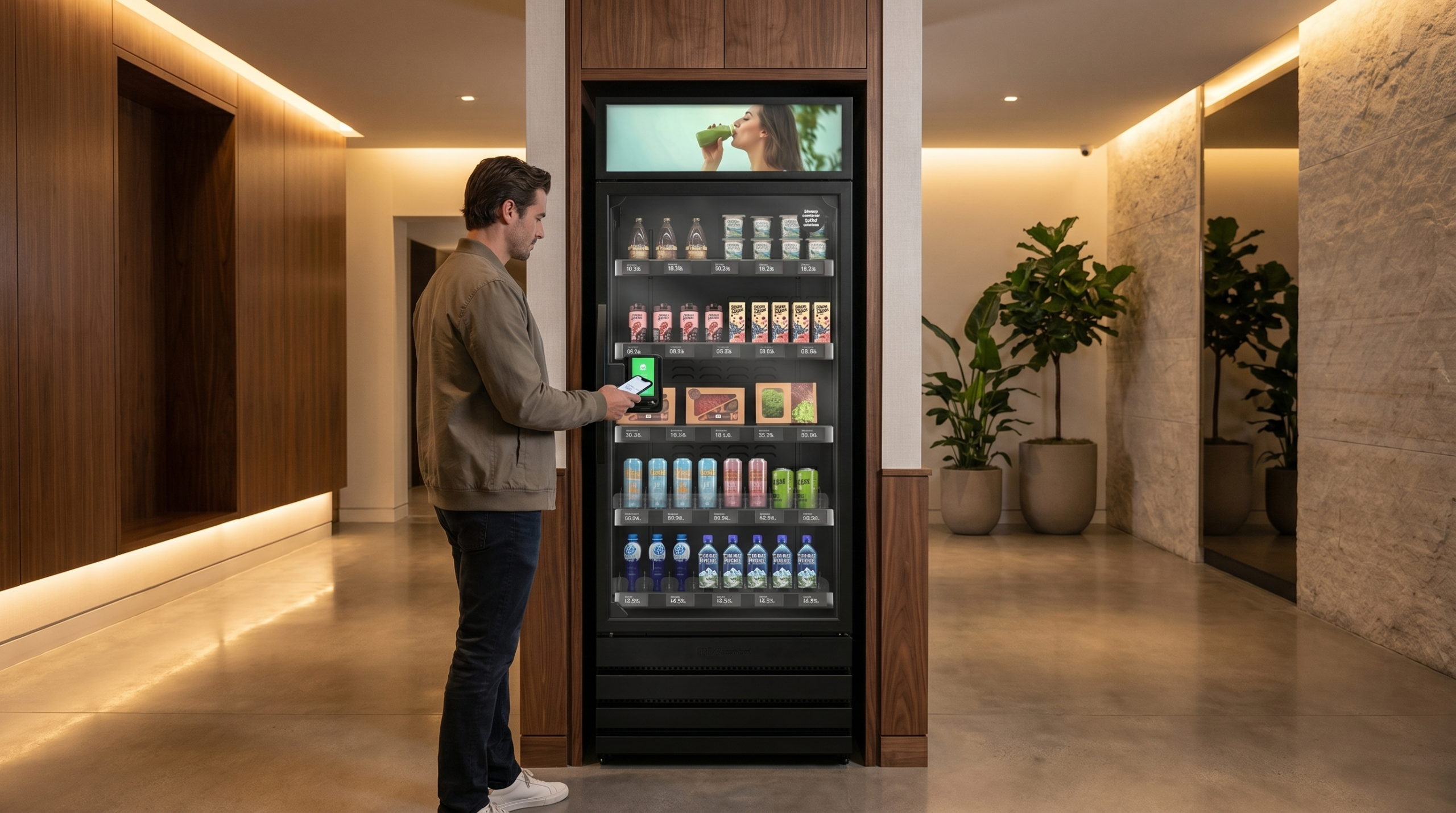
Premium smart vending can help Denver luxury apartments add a Class A amenity that residents use after the tour is over: 24/7 access to drinks, meals, snacks, frozen items, and essentials in a clean, cashless, design-conscious format. The real decision for a property team is whether the setup fits the building, improves resident convenience, and stays fully off the onsite team’s workload.
Quick Answer
For Class A Denver apartments, premium smart vending works best as a fully managed smart store amenity. The right setup should look polished in a lobby, mailroom, fitness area, or resident lounge; support cashless grab-and-go shopping; offer a product mix that matches resident behavior; and include provider-managed stocking, service, and support.
What Makes Smart Vending Premium?
Premium smart vending is different from a snack machine with a card reader. The better category is closer to a compact onsite retail amenity: residents open a glass-front smart cabinet, take one or more items, close the door, and receive a digital receipt.
That shopping flow matters in a luxury apartment building because the amenity has to feel like it belongs in the property. Residents should not have to fight a spiral coil, carry cash, or settle for a narrow snack selection that looks forgotten after installation.
A premium setup usually has five qualities:
- modern glass-front presentation
- cashless payment with card and mobile wallet support
- refrigerated, pantry, or freezer cabinet options
- a product mix that can include drinks, snacks, meals, and essentials
- a service model where the provider handles stocking and support
The hardware is only part of the upgrade. The operating model is what keeps the amenity from becoming another task for the leasing office.
Why Class A Properties Evaluate This Differently
Class A residents compare the entire building experience. Fitness centers, package rooms, coworking spaces, lounges, and pet amenities all shape whether the property feels current after move-in. A vending area that looks like a leftover breakroom fixture can work against that standard.
Premium smart vending fits a different expectation. It gives residents a practical convenience they can use at normal and off-hour moments:
- a drink after the fitness center
- a quick meal after a late shift
- a snack before leaving for work
- a frozen item when delivery feels like too much
- a basic essential without leaving the building
For managers, the amenity also has to pass a practical test. It should improve resident convenience without asking staff to monitor inventory, choose products, handle refunds, or chase service requests.
The Amenity Upgrade Is Operational, Not Just Visual
The most common mistake is evaluating premium smart vending as a design object only. A sleek cabinet can still disappoint residents if the product mix is wrong, the cabinet is empty, or support is unclear.
Class A properties should evaluate the operating model in four areas:
| Area | What to Look For |
|---|---|
| Presentation | Equipment that fits the finish level of the common area |
| Product mix | Snacks, beverages, meals, frozen items, or essentials matched to resident demand |
| Service | Provider-managed restocking, cleaning, maintenance, and support |
| Placement | A visible, convenient location with power, airflow, and enough resident traffic |
The provider should be able to explain who owns each part of the operation. If the answer puts inventory, product selection, payment questions, or routine service back on the property team, it is not really a hands-off amenity.
Where Premium Smart Vending Works Best
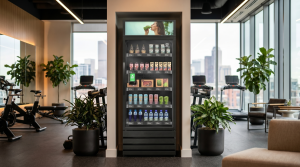
The right location depends on the building, but Class A apartment communities usually have a few strong candidates.
Lobby or mailroom placements work when there is consistent resident traffic and enough room for the cabinets to feel intentional instead of squeezed in. Fitness-area placements work when the product mix includes drinks, protein options, and quick recovery items. Resident lounges can support broader grab-and-go selections, especially when residents already use the space for work, socializing, or package pickup.
The setup should also respect the building’s physical limits. Refrigerated cabinets need proper airflow. Smart systems need reliable connectivity. The cabinet should be easy for residents to find, but not placed where it blocks circulation or looks like an afterthought.
For Denver properties, local service coverage matters too. A premium amenity loses value quickly if the operator cannot keep it stocked, clean, and working.
Premium Smart Vending vs. Traditional Vending
Traditional vending can still work in some lower-traffic or cost-sensitive locations. For luxury apartments, the gap is usually in experience, presentation, and flexibility.
| Category | Traditional Vending | Premium Smart Vending |
|---|---|---|
| Resident experience | One item at a time, often coil-based | Open-browse, grab-and-go shopping |
| Payment | May include cash, card, or both | Cashless cards and mobile wallets |
| Product range | Often snacks and drinks | Can support snacks, drinks, meals, frozen items, and essentials |
| Appearance | Can feel utilitarian | Designed for modern common areas |
| Operations | Depends heavily on vendor reliability | Best when fully managed by the provider |
| Property fit | Functional but often dated | Better fit for Class A amenity expectations |
The point is not that every building needs the largest setup. The point is that luxury properties should evaluate vending as part of the resident experience, not as a hallway machine purchase.
What Residents Actually Notice
Residents usually do not care about the technical language behind smart vending. They notice whether the amenity is convenient, stocked, clean, and worth using.
That means a strong setup should answer simple resident questions:
- Is there something I actually want?
- Can I buy it quickly?
- Does the machine look clean and current?
- Is it available when nearby stores are closed?
- If something goes wrong, is there a clear support path?
For the property team, those resident questions become operating questions. Who adjusts the product mix? How often is the cabinet restocked? How are payment issues handled? What happens when resident demand shifts from snacks to meals or from drinks to frozen items?
A Denver Usage Signal Worth Noting
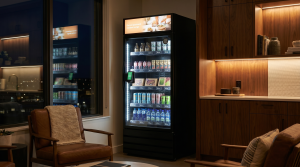
AI Vending’s downtown Denver case study, published March 23, 2026, gives one useful signal for luxury apartment teams evaluating this category. In that property, the smart store saw 60.7% resident adoption, 30.4% monthly usage, and 25.9% of transactions between 10 PM and 5 AM.
The late-night number is the detail property teams should pay attention to. Residents use convenience amenities outside leasing-office hours, and a 24/7 smart store can serve those moments without adding a staffing requirement.
The same case study reported 31.7% stronger demand for full meal options than the operator’s per-location average. That does not mean every building needs the same product mix. It means product selection should be adjusted around actual resident behavior.
What a Full-Service Model Should Include
A full-service smart vending model should make the division of labor clear. The property should provide appropriate space and power. The operator should handle installation, product planning, restocking, payment support, maintenance, and ongoing adjustments.
In AI Vending’s model, the property team does not manage inventory, stocking, service, customer support, or payment issues. That matters for Class A apartments because an amenity that creates staff work can quickly become an operational distraction.
Before choosing a provider, use the conversation as a practical selection test:
- Who owns the equipment?
- Who pays for installation?
- Who chooses the initial product mix?
- Who changes the selection after launch?
- Who handles payment issues?
- Who restocks the cabinets?
- What connectivity does the system use?
- What are the airflow and placement requirements?
- Can the setup support refrigerated, pantry, and freezer items?
- How will the cabinet fit the common-area design?
The answers should sound operationally specific. Vague promises about convenience are not enough for a luxury property.
How to Make the Amenity Feel Class A
For a smart vending setup to feel like a real Class A amenity, the details have to work together.
Start with placement. The cabinet should sit where residents already move, not in a hidden corridor. Then match the product mix to the building. A fitness-heavy community may need more drinks and protein options. A downtown building may need fresh meals, late-night snacks, and essentials. A property with larger units and longer resident stays may benefit from frozen or pantry items.
Presentation matters too. The cabinet should look intentional in the room, with clean merchandising and enough surrounding space. A premium amenity should not feel like a vendor dropped off equipment and left.
Finally, treat the launch as the beginning of the work, not the end. The best product mix after 60 days may not be the first product mix. Usage patterns should guide adjustments.
FAQs
Is premium smart vending a good fit for every luxury apartment building?
Not automatically. It works best when there is enough resident traffic, a practical common-area location, power access, and a provider that manages the operation. A smaller or low-traffic property may need a lighter setup.
Does smart vending replace a market or staffed cafe?
Usually no. It is better understood as a compact 24/7 convenience amenity. It can complement lounges, fitness areas, package rooms, or larger resident amenity spaces without requiring staff.
What products should a Class A apartment smart vending setup include?
The best mix depends on the property. Common categories include beverages, snacks, fresh meals, frozen items, and everyday essentials. The mix should change based on what residents actually buy.
Who should handle restocking and support?
For a Class A property, the provider should handle restocking, service, maintenance, and support. Property staff should not be expected to run the smart vending program.
A Better Standard for Apartment Convenience
Premium smart vending is worth evaluating when a Denver luxury apartment property wants a useful amenity that feels modern, looks appropriate in a high-end common area, and does not add work for the onsite team.
The strongest setup starts with good placement, clean presentation, resident-fit product selection, reliable service, and a clear operating model. Once those pieces are in place, the smart store becomes more than a vending upgrade. It becomes a practical 24/7 convenience layer for the building.
AI Vending can help Denver property teams evaluate the right cabinet mix, placement, and service model before committing space to a smart store amenity.
See how AI Vending approaches Denver submarkets.
If you are comparing smart stores, vending, or micro markets across Denver, the Denver location page gives the broader local view across hotels, apartments, offices, and workplace properties.