Comparison Guide

Smart vending vs. micro markets: how to choose the right format.

Smart vending and micro markets can both be fully managed. The right choice depends on space, traffic, assortment depth, and how visible the amenity should feel.

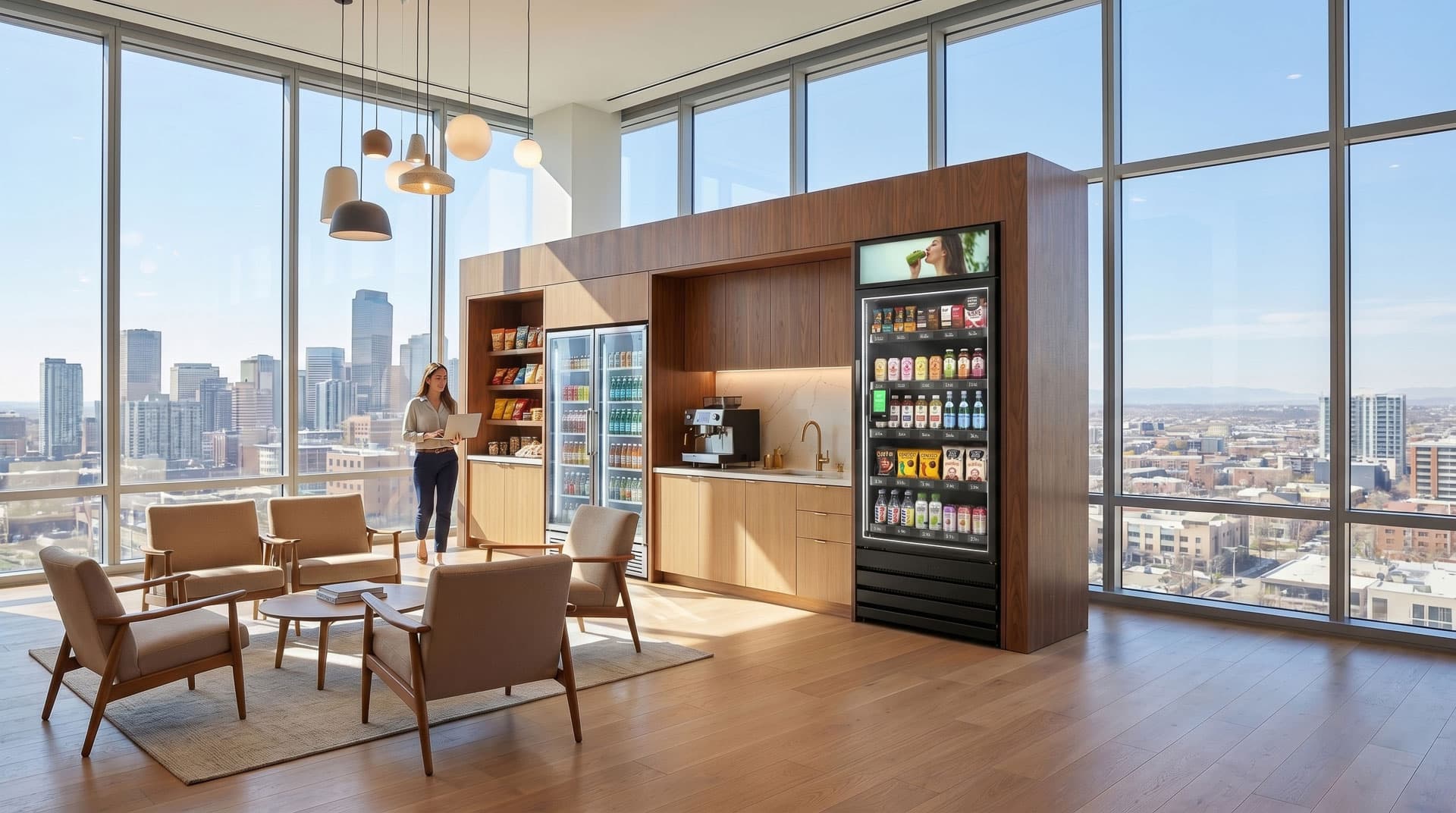
Corporate smart store and micro market setup for comparing retail formats
Choose smart vending or a compact smart store when space is tight and the property needs a curated core assortment. Choose a micro market when the property has more room, higher traffic, and wants a broader food-and-beverage offer.
Direct Answer

What buyers need to know first.

Choose smart vending or a compact smart store when space is tight and the property needs a curated core assortment. Choose a micro market when the property has more room, higher traffic, and wants a broader food-and-beverage offer.

Smart vending controls footprint and keeps launch simple

Micro markets offer more range and browsing

Both formats can be managed by AI Vending

The best choice depends on traffic and placement

Decision Table

Compare the practical tradeoffs.

Use this as the first-pass filter before a site survey confirms the right setup.

FactorSmart vending or smart storeMicro market
FootprintCompactLarger
Assortment depthCurated essentialsBroader food, drink, and essentials
Launch complexityLowerModerate
PresentationMachine or cabinet-ledRetail zone
Best fitTighter spaces and first launchesHigh-traffic common areas

The core tradeoff

Smart vending is compact and direct. Micro markets are broader and more retail-like. A property should not choose based on which term sounds more current. It should choose based on the amount of space, the number of likely users, and the level of presentation the building needs.
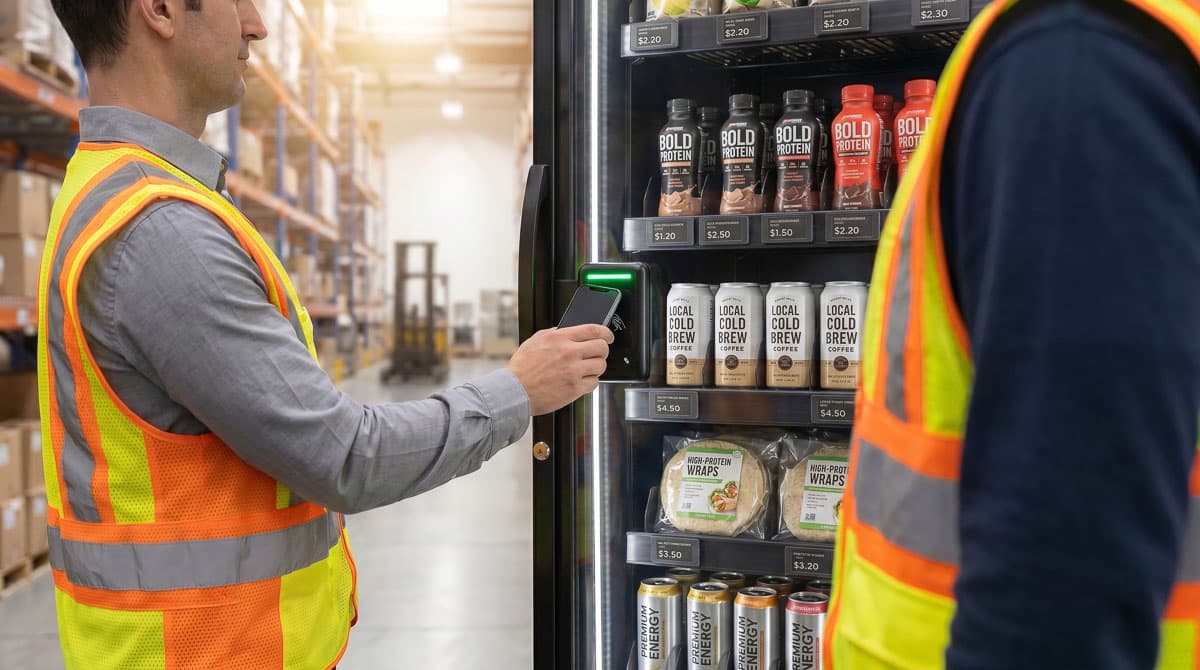
Warehouse employee using cashless smartphone payment at an AI Vending smart cabinet
Compact smart vending keeps the footprint tight while still supporting cashless checkout.

When smart vending wins

Smart vending works well when the property has limited square footage, needs a clear launch path, or wants to prove demand before committing more space. It is often the best first move for smaller apartment lobbies, breakrooms, and corridor placements.

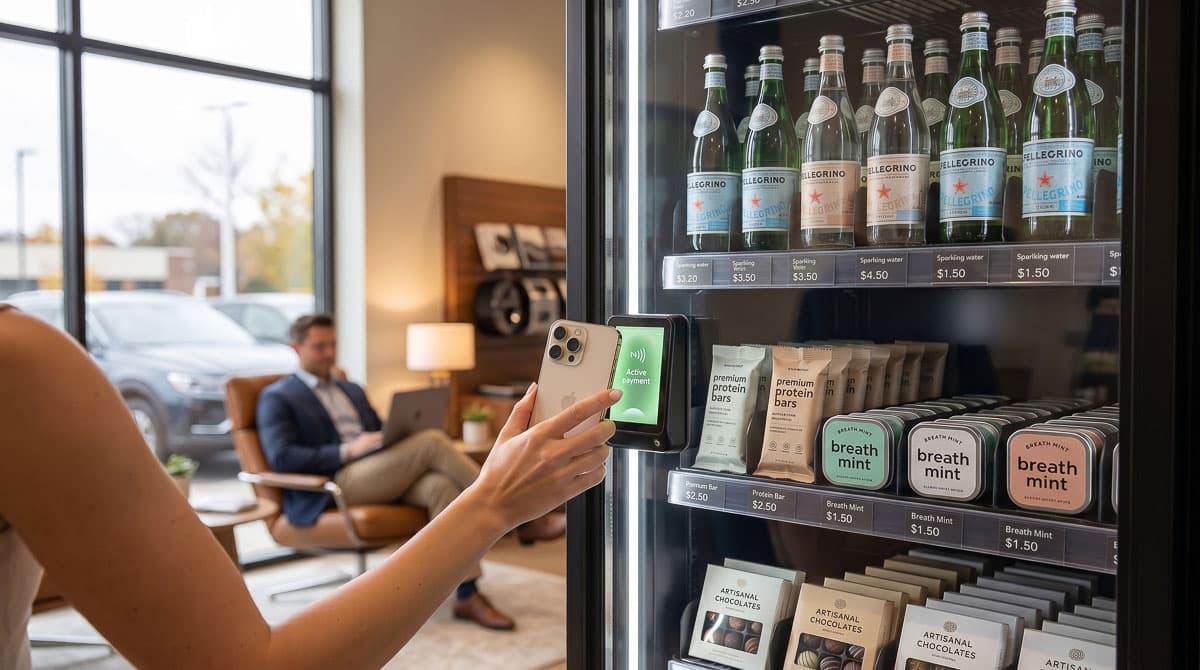
Customer using cashless smartphone payment at an AI Vending smart cabinet in a dealership lounge
Smart vending works well in corridors, lobbies, and smaller amenity paths where space is limited.

When micro markets win

Micro markets win when the property has enough room and recurring traffic to justify coolers, open shelving, and a wider assortment. They are strongest in offices, larger multifamily properties, hotels, and amenities where the retail area can feel intentionally designed.

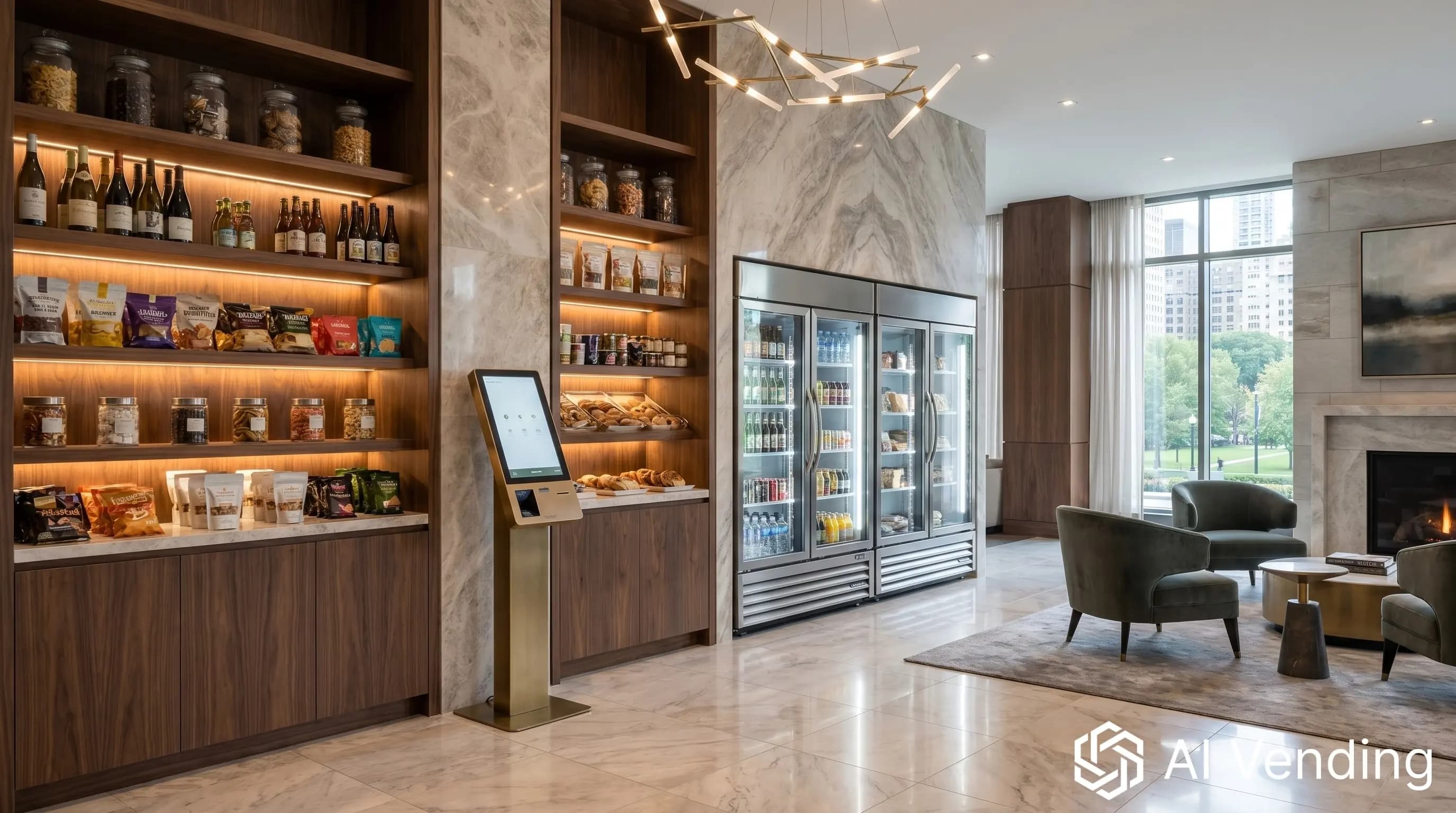
Premium micro market layout in a modern residential amenity space
When the building has more space and traffic, the format can feel more like a designed amenity than a machine placement.
Frequently Asked

Questions buyers ask before approving the program.

Answers are specific to AI Vending's managed smart-store, vending, and micro-market model.

Is a micro market always better than smart vending?

No. A micro market is better only when the property has enough space and demand to support the larger format.

Can AI Vending manage both formats?

Yes. AI Vending can recommend and manage compact smart-store setups, larger smart-store layouts, and micro markets.

Which format is easier to launch?

A compact smart-store or smart vending setup is usually easier to launch because it requires less space and a simpler footprint.

Can a property upgrade from smart vending to a micro market?

Yes. A property can start compact and expand into a micro market when demand and space justify it.